Mammals
At Cedar Lakes Woods and Gardens, our 110-acre sanctuary provides a peaceful retreat for both native Florida wildlife and a few beloved domesticated residents. While the gardens are famous for their botanical beauty, the mammals that call this former quarry home add a layer of life and personality to every trail.
Small Mammals & Foragers
This group represents the most active and visible members of the garden’s ecosystem, playing a vital role in seed dispersal and soil health.
Sherman’s Fox Squirrel (Sciurus niger shermani): A state-protected species of special concern. These large, strikingly patterned squirrels are a highlight of our high-pine and oak habitats, easily recognized by their black "masks" and white ears.
Eastern Cottontail (Sylvilagus floridanus): Often found in our wooded areas, these agile herbivores rely on the protective cover of our ferns and shrubs to navigate the landscape safely.
Nine-banded Armadillo (Dasypus novemcinctus): Our most industrious excavators. These armored insectivores are frequently observed foraging in the leaf litter, searching for grubs and garden pests.
Eastern Gray Squirrel (Sciurus carolinensis): The acrobats of the canopy, these arboreal mammals are a constant presence, frequently seen harvesting acorns and hickory nuts among the Eastern Redcedars.
Carnivores & Felines
From secretive native hunters to our friendly domestic residents, these mammals serve as the "guardians" of the garden’s balance.
Gray Fox (Urocyon cinereoargenteus): A shy, native resident unique among canines for its ability to climb trees. They are most active during the "golden hours" of dawn and dusk along our wooded perimeters.
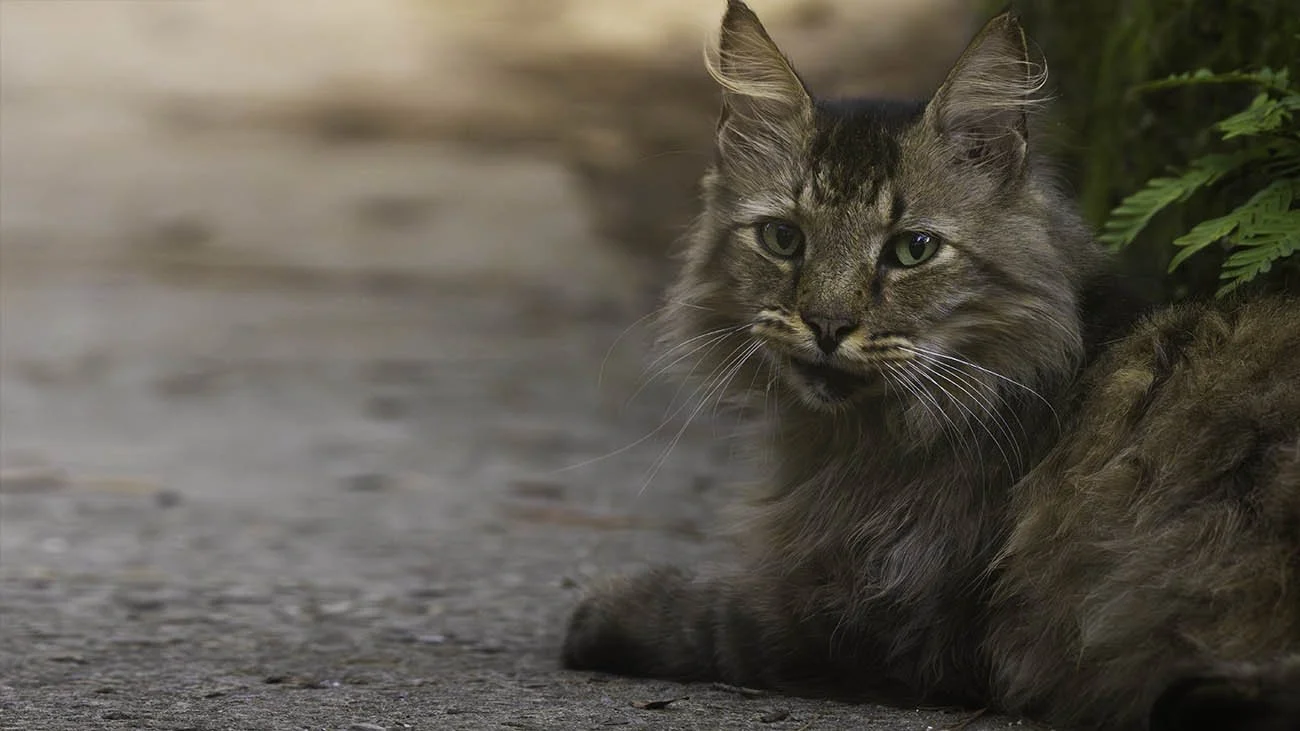
Domestic Felids (Felis catus): Our resident garden cats are a beloved fixture of the Cedar Lakes experience. While they enjoy the limestone sun-ledges, they also serve as a traditional method of rodent control around the garden’s historic structures.
Bats & Nocturnal Gliders
These specialized mammals provide an invaluable ecological service by maintaining a natural balance in the local insect population under the cover of darkness.
Colonial Bats (Nycticeius humeralis & Eptesicus fuscus): Housed in our strategically placed bat houses, these mammals emerge at dusk. A single colony can consume thousands of mosquitoes per hour, allowing us to maintain our lush gardens without the use of heavy pesticides.
Southern Flying Squirrel (Glaucomys volans): Though strictly nocturnal and rarely seen by day, these small rodents inhabit the cavities of our mature hardwoods and glide between the quarry’s vertical cliff faces.
Large Ungulates
While the gardens are a protected sanctuary, our boundary lines look out onto the agricultural heritage of Levy County. The resident cows in the adjacent pastures are a nod to the rural roots of the surrounding Florida landscape.
Black Angus Cattle (Bos taurus): Our resident Angus cows are a nod to the region's ranching roots. You can often see them grazing in the adjacent pastures, adding a peaceful, pastoral backdrop to the garden’s edge.
Neighboring Horse Farms: Williston is the heart of Florida’s horse country. The equestrian estates surrounding the gardens provide a scenic reminder of the area’s world-class reputation for breeding and training champion horses.